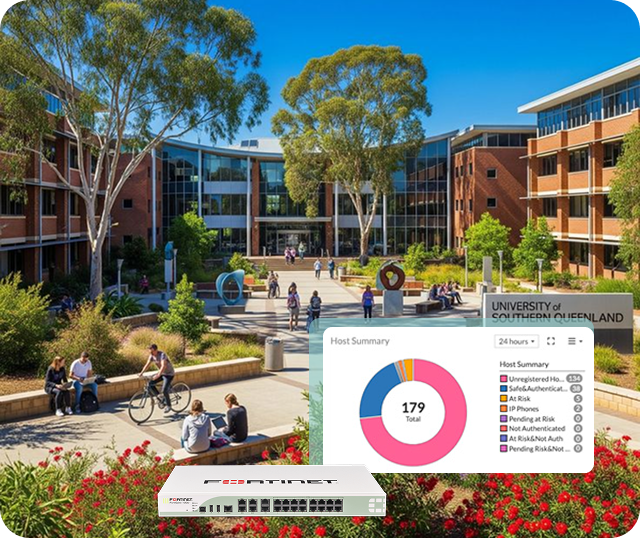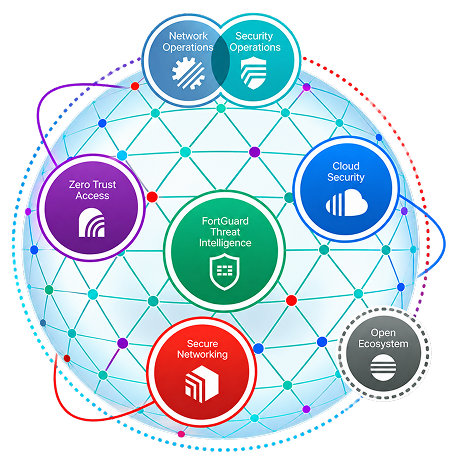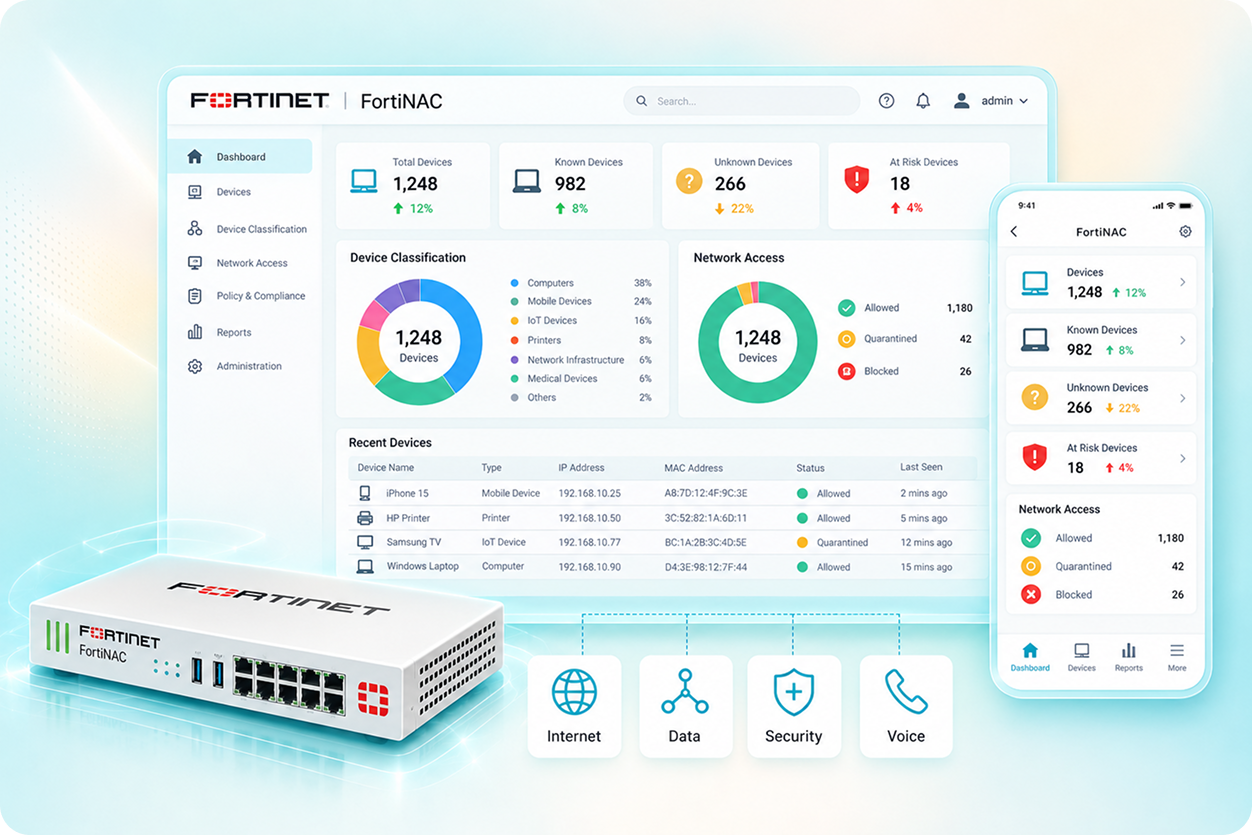
The number of devices connecting to a business network has grown faster than most IT teams have been able to track. Personal phones, tablets, IoT sensors, smart TVs, guest laptops, printer controllers, and medical monitoring equipment all connect to the same infrastructure as staff workstations. Each one is a potential entry point. The question is not whether unknown devices are on your network. It is how many.FortiNAC is the layer that answers that question and then acts on it. It discovers and profiles every device connecting to your network automatically, classifies what it finds, and enforces the right access policy without requiring manual intervention. eComms deploys and manages FortiNAC for Australian businesses as part of the same Fortinet managed service that covers your firewall, SD-WAN and endpoint protection.
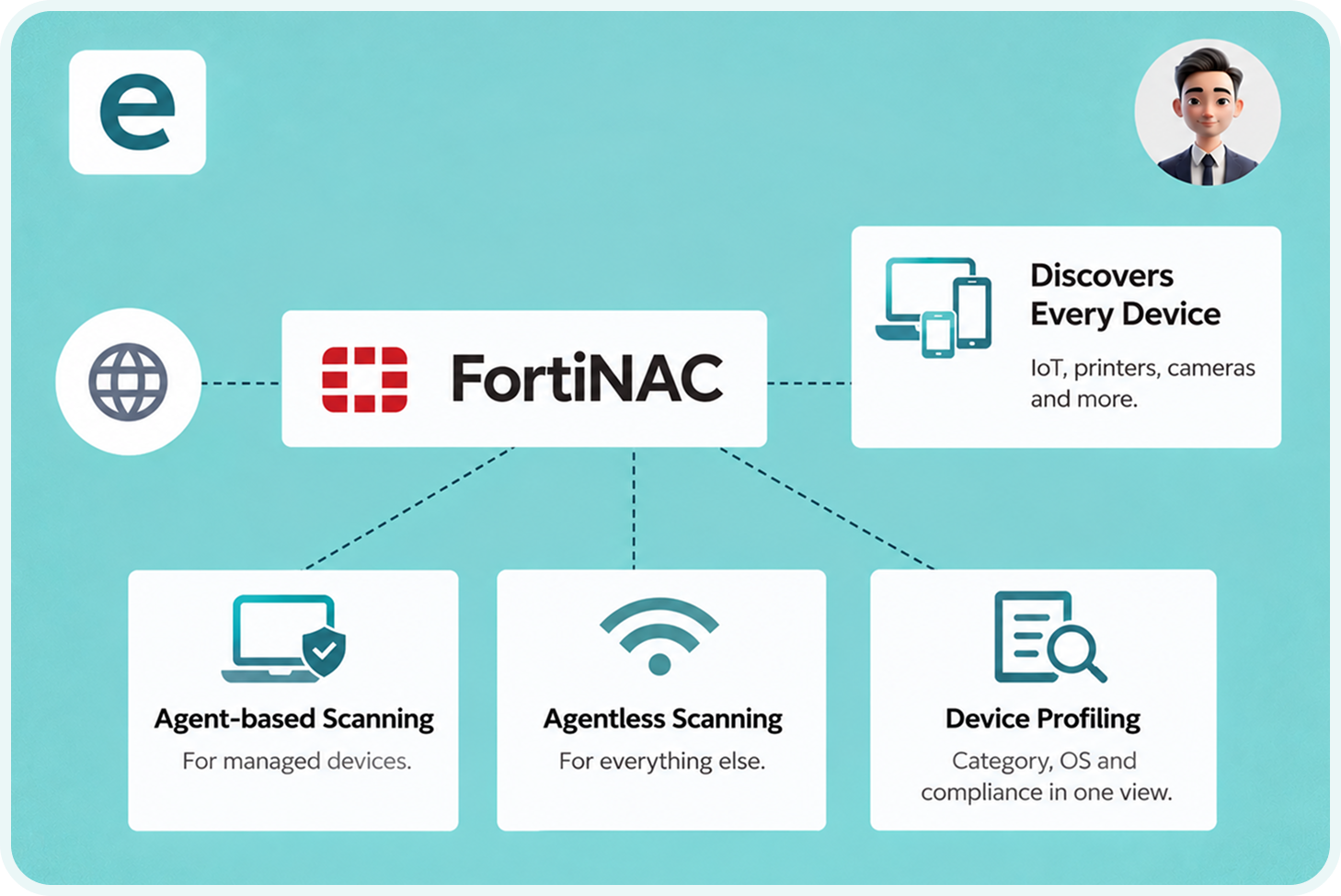
FortiNAC discovers every device connecting to your network, including devices with no user attached: IoT sensors, printers, cameras, building management systems, and medical equipment. It uses both agent-based scanning for managed devices and agentless scanning for everything else. Every device is profiled so its category, operating system, and compliance state are visible in one inventory
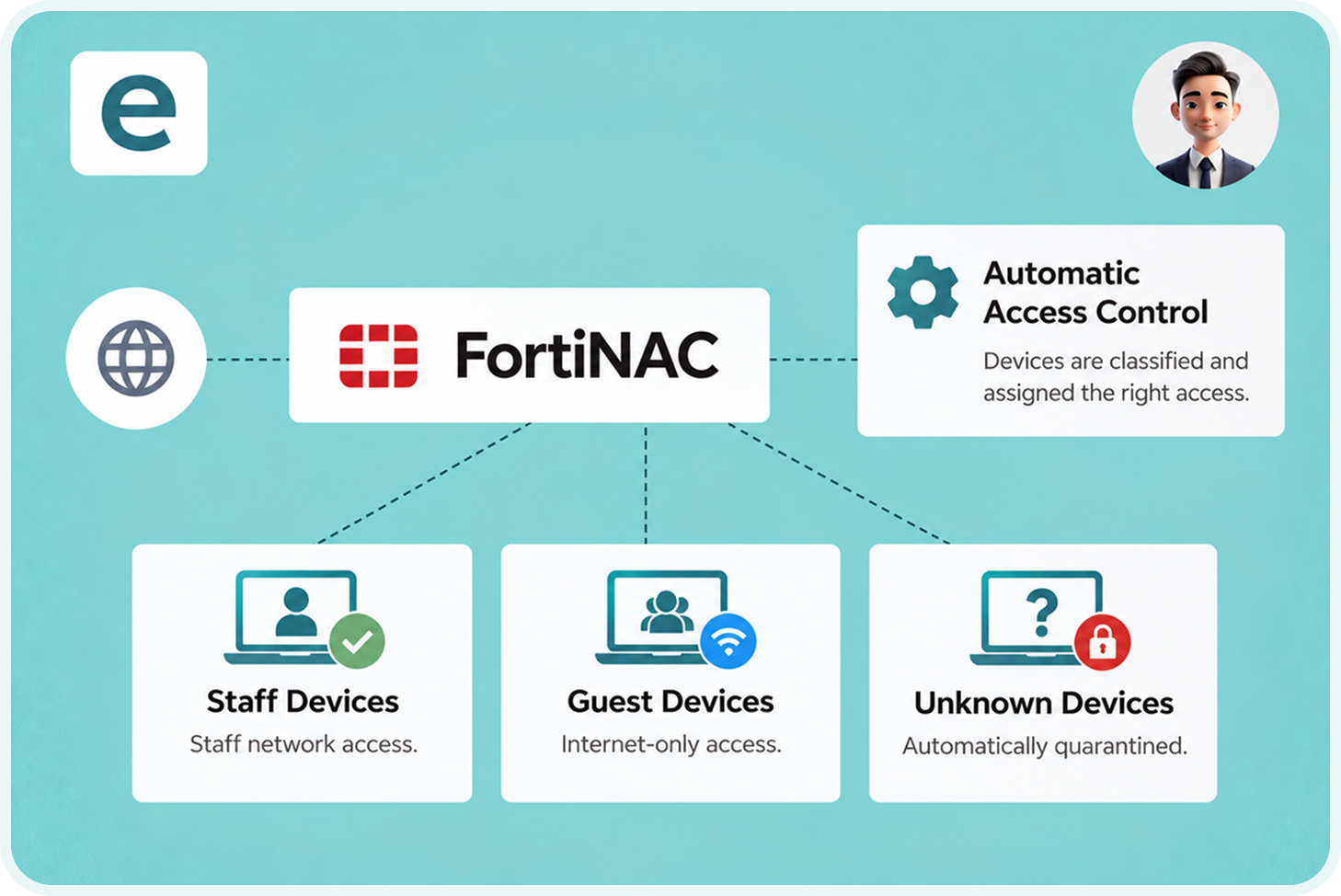
Devices are classified and matched to an access policy automatically. Staff laptops get staff network access. Guest devices get guest-only internet access. Unrecognised devices are quarantined before they can access production systems. The decision happens at connection, not after someone notices a problem.
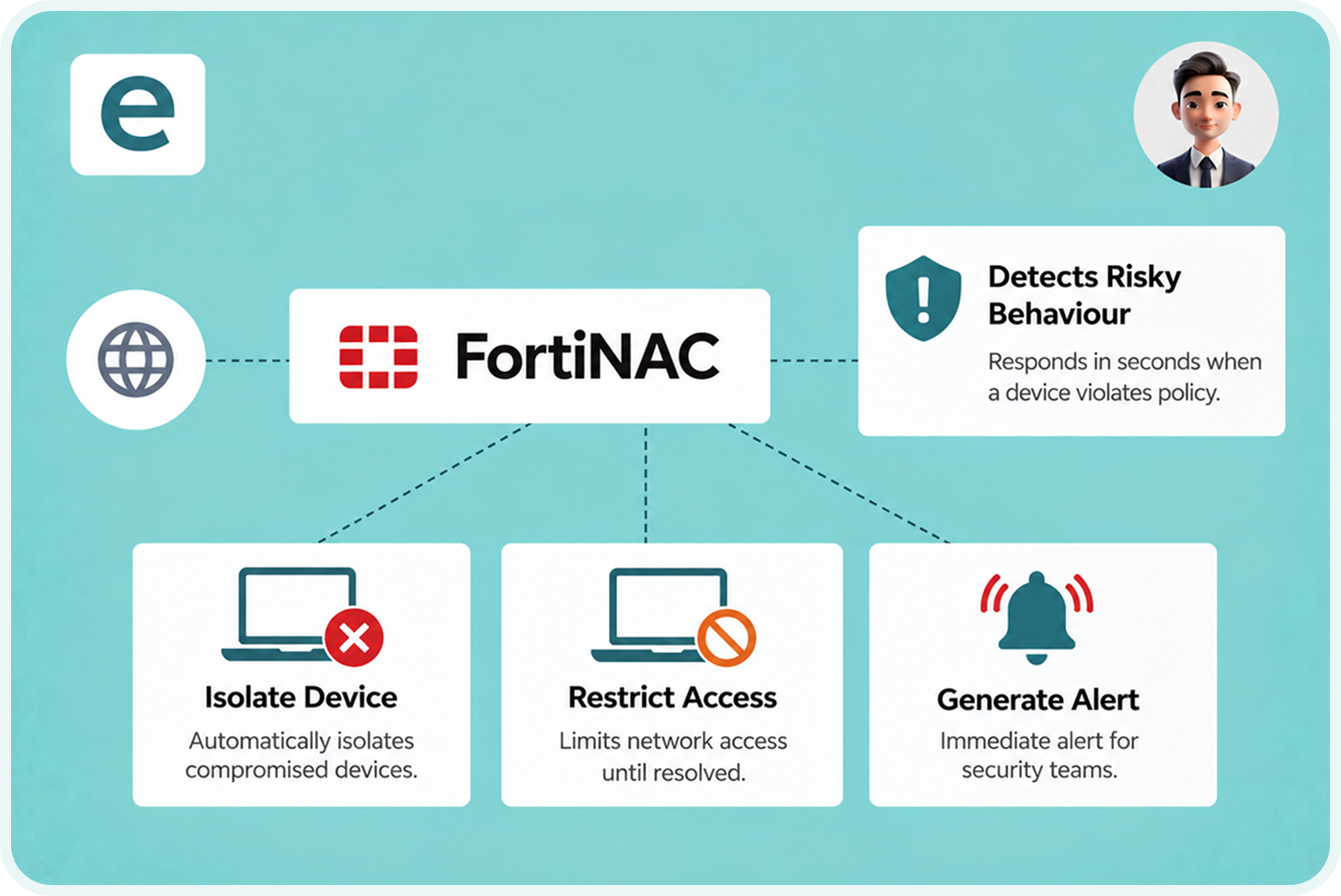
When a device behaves in a way that suggests compromise or policy violation, FortiNAC responds in seconds: isolating the device, restricting its access, and generating an alert. The response does not wait for a human to notice and act. For environments with IoT and operational technology, the speed of automated isolation is the critical capability.
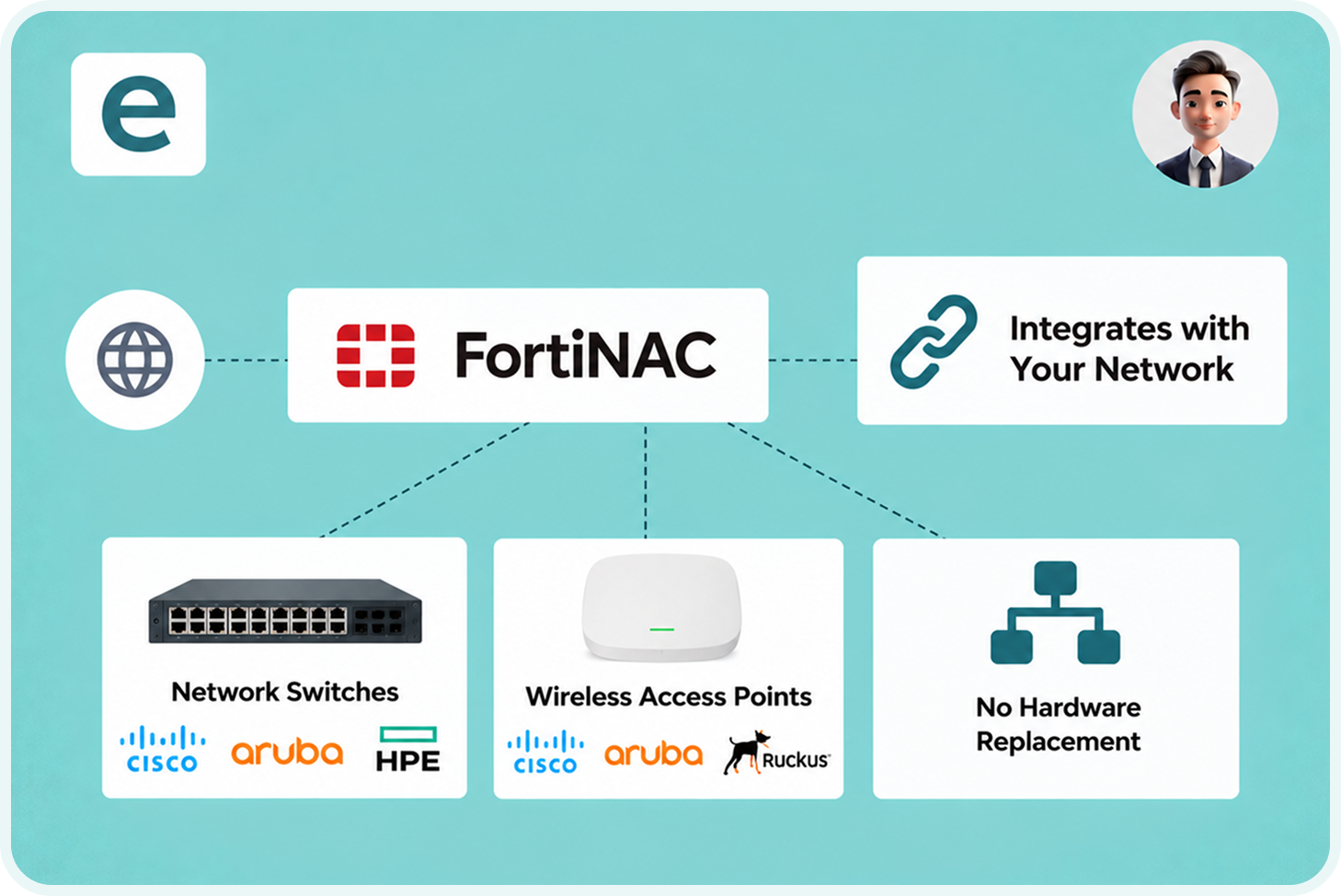
FortiNAC integrates with switches and wireless access points from a wide range of vendors, not only Fortinet hardware. A business does not need to replace existing network infrastructure to deploy FortiNAC. The access control layer sits above the existing network.